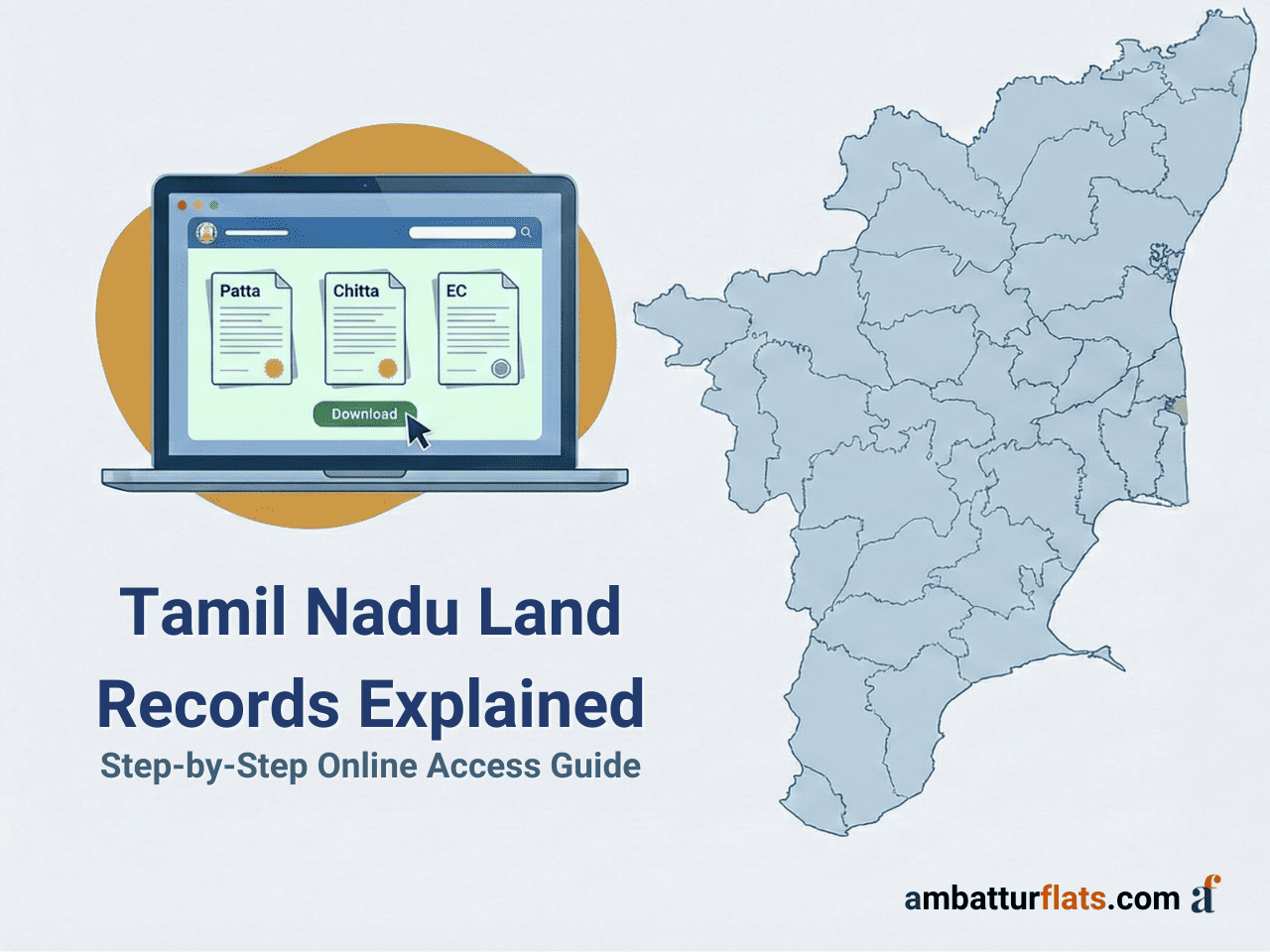

Land records in Tamil Nadu determine legal ownership, classification, tax liability, and transaction eligibility of a property. Before buying, selling, developing, or applying for loans, verifying these records is not optional. Many buyers focus only on the sale deed and ignore government records, which is a mistake. Tamil Nadu has digitized most core land records, allowing public access through official portals. However, knowing where to check, what document to verify, and how to interpret the data is critical. This guide explains each major land record and provides a structured process to access them online.
Patta is the primary revenue record that establishes lawful ownership of land.
Every Patta contains:
If the seller’s name is not updated in Patta, ownership transfer is incomplete at the revenue level. That is a red flag.
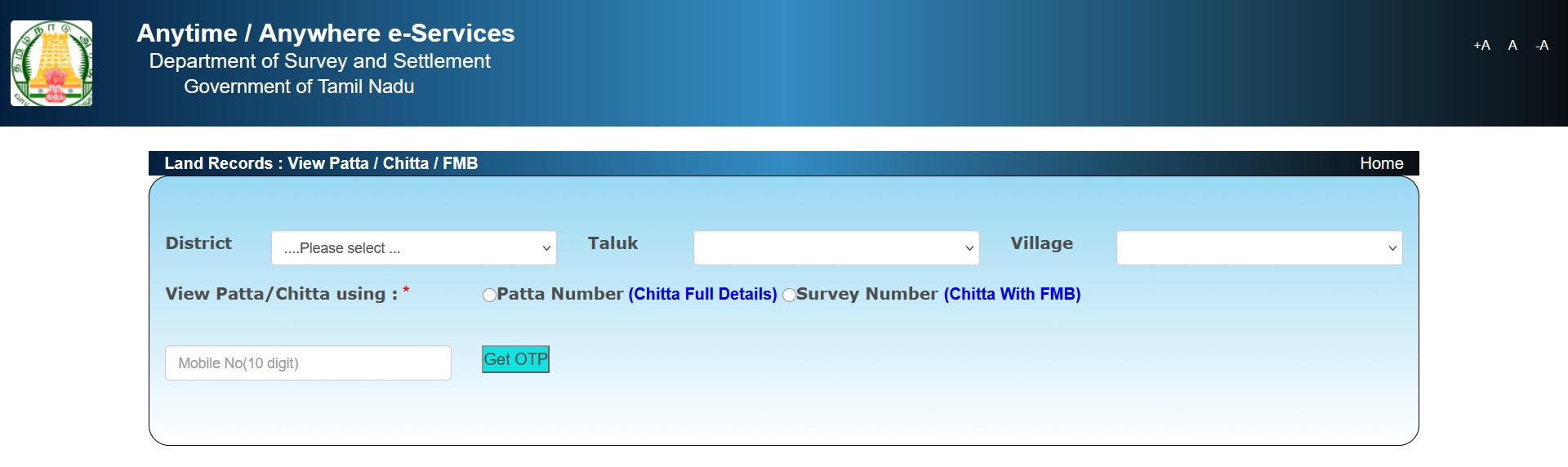
Patta can be accessed via the official Tamil Nadu e-Services portal managed by the Tamil Nadu Revenue Department.
Chitta records land classification and revenue details.
It specifies:
Although Patta and Chitta were integrated digitally, classification still needs verification. Buying agricultural land assuming conversion is possible without checking status is a common mistake.
The Encumbrance Certificate shows registered financial or legal liabilities on a property.
It reveals:
It does not show unregistered loans or informal agreements. So EC alone is not enough for due diligence.
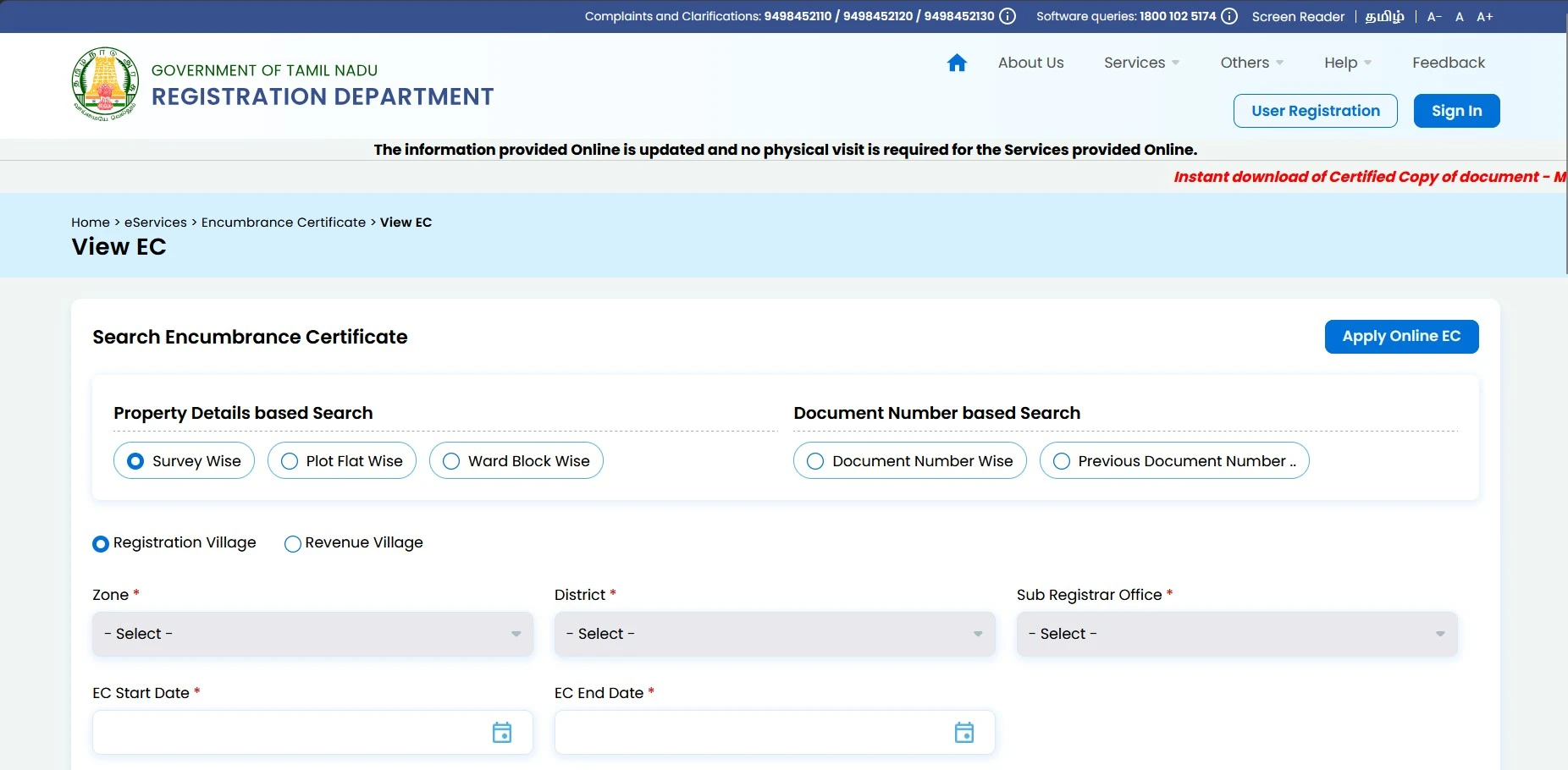
EC can be accessed through the Registration Department Tamil Nadu portal (TNREGINET).
FMB contains the actual land measurement sketch prepared by the survey department.
It includes:
If you are developing layouts in Tamil Nadu, ignoring FMB is negligence. Physical boundary disputes usually arise because buyers never verified FMB against ground reality.
Cross-check:
If details don’t match, stop the transaction until corrected.
Do not check only 5 or 10 years. That’s careless. Always verify long-term history. The new TNREGINET portal gives you current encumbrances in the property you are willing to buy.
Then physically measure the land or appoint a licensed surveyor. Digital data without ground verification is incomplete due diligence.
Usually new buyers make some common mistakes when dealing with land records and this may cost them serious errors. The usual blunders they make are:
These errors lead to litigation and financial loss. So, we advice buyers to double check them and verify thoroughly.
Land disputes in Tamil Nadu often arise due to:
If you are involved in layout development or property investment, skipping verification is reckless. A clean sale deed does not automatically mean clear government records.
Land records help you verify:
Without this, you are blindly getting into property sale transactions which is highly risky and may lead to legal complications.
Every homebuyer or land buyer must look into this land record checklist and ensure the following:
If even one of these is skipped, you are increasing your risk. For detailed process on registration check out our guide on property registration
Tamil Nadu has made land records accessible online, but accessibility does not equal clarity. You must know what to check, how to interpret it, and how each record connects to the others. Patta confirms revenue ownership, Chitta clarifies classification, EC shows transaction history, and FMB defines boundaries. Treat them as interconnected, not optional. Whether you are buying a small residential plot or developing an entire housing layout, disciplined verification of land records is non-negotiable.